Get your appointment today
Genetic Diseases
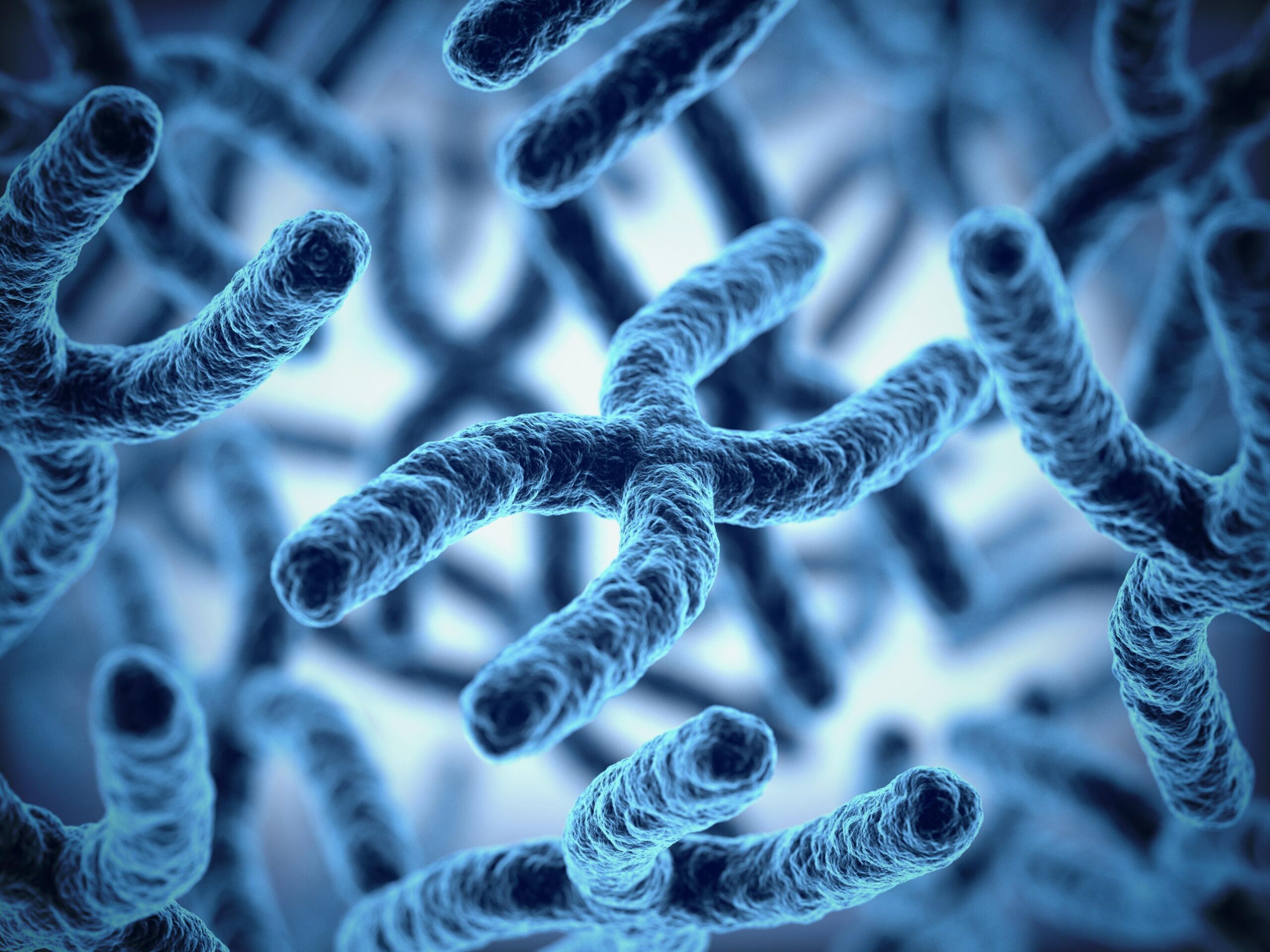
Genetic diseases are disorders caused by changes or mutations in genes or chromosomes. They can be inherited from parents or occur spontaneously and may affect growth, development, metabolism, blood, muscles, or other body systems. Early diagnosis and proper management can help improve quality of life and reduce complications.
- Down Syndrome – A genetic condition caused by an extra chromosome 21, leading to developmental and intellectual delays.
- Thalassemia – An inherited blood disorder that reduces the body’s ability to produce healthy hemoglobin.
- Sickle Cell Disease – A genetic blood disorder that causes red blood cells to become sickle-shaped.
- Hemophilia – An inherited bleeding disorder where blood does not clot properly.
- Cystic Fibrosis – A genetic disorder affecting the lungs and digestive system due to thick mucus production.
- Muscular Dystrophy – A group of inherited disorders that cause progressive muscle weakness.
- Huntington’s Disease – A hereditary disorder that affects brain function and movement.
- Tay-Sachs Disease – A rare genetic disorder that destroys nerve cells in the brain and spinal cord.
- Phenylketonuria (PKU) – An inherited metabolic disorder where the body cannot properly process phenylalanine.
- Turner Syndrome – A genetic condition affecting females caused by a missing or incomplete X chromosome.
- Klinefelter Syndrome – A genetic condition in males caused by an extra X chromosome.
- Marfan Syndrome – An inherited disorder affecting connective tissues, bones, eyes, and heart.
- Duchenne Muscular Dystrophy (DMD) – A severe form of muscular dystrophy causing progressive muscle degeneration.
- Fragile X Syndrome – An inherited condition that causes intellectual disability and developmental challenges.
- Achondroplasia – A genetic disorder that results in short stature and abnormal bone growth.
